On a rainy morning in Pittsburgh, a manager can open a laptop and ask software to review customer emails, update a spreadsheet, schedule follow-ups, and draft a weekly report. That bundle of capabilities is why AI employees have become a serious business phrase rather than a science-fiction slogan. The important question is not whether a machine has become a colleague. It has not. The useful question is which tasks can be delegated, which decisions still require a person, and who remains accountable when the system is wrong.
What the phrase really means
The term AI employees usually describes software agents that can pursue a goal across several steps instead of answering one prompt at a time. An ordinary chatbot might summarize a sales call. An agent could find the call transcript, identify open questions, create tasks in a project system, draft an email, and ask a human to approve it. Companies including Microsoft, Salesforce, Google, OpenAI, and Anthropic are building products around this broader idea, though the features and reliability differ considerably.
That distinction matters. Calling software an employee can make a tool sound more independent than it is. Most systems still need access permissions, clearly defined workflows, human review, and a way to recover from errors. They can also struggle with ambiguous instructions, outdated records, unusual customer requests, and the small exceptions that experienced workers handle without announcing them.
The facts end here: businesses are testing systems that perform connected digital tasks. The inference begins when executives describe those systems as a new layer of labor. That description may prove useful, but it is not proof that software has judgment, responsibility, or a durable understanding of the workplace.
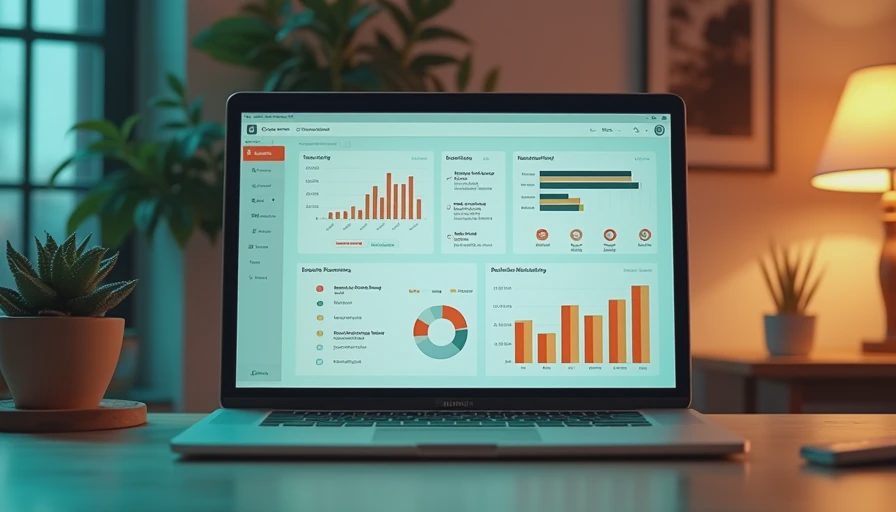
Where these systems can help first
The strongest early use cases tend to be repetitive, measurable, and reversible. A customer-service agent might classify incoming requests and suggest responses. A finance system might compare invoices with purchase orders and flag mismatches. A recruiting assistant might organize applications against stated requirements, provided a person checks for unfair screening patterns. A marketing system might turn an approved product brief into several channel-specific drafts.
These examples have a common structure: the organization already knows what a good result looks like. There is a record of the work, a manageable risk when a draft needs correction, and a clear escalation path. That is a much safer starting point than asking an autonomous system to negotiate a contract, approve a loan, or make a final employment decision.
For an independent worker, AI employees may look less like digital staff and more like a small back office. A designer could use one system for research, another for meeting notes, and a third for proposal drafts. A consultant might save several hours each week while still owning the client relationship, factual checking, and final recommendations. The gain is real when the tool removes administrative friction rather than disguising weak thinking.
The management problem hiding inside the name
A company that hires a person creates a role, assigns authority, sets expectations, and accepts legal and organizational responsibility. Software does not change that arrangement merely because an executive calls it an employee. Someone still decides what data the system can access, what actions it can take, and when a human must intervene.
That creates a practical management checklist, even without a formal checklist document. Leaders should map the workflow before buying a product. They should identify sensitive information, test failure cases, record approvals, and tell workers when automated systems are involved. They should also measure the whole process, not just the number of tasks completed. A tool that answers twice as many tickets but creates costly corrections is not necessarily productive.
Workers need clarity as well. If an employer introduces AI employees, employees should know whether the system is assisting them, evaluating them, or quietly replacing parts of their job. Those are different arrangements. Transparency cannot remove every concern, but secrecy makes ordinary workplace anxiety worse and prevents useful feedback from the people closest to the process.
Why reliability and accountability matter
The most impressive demonstration is rarely the best test. A polished prototype can complete a clean task in a controlled environment. A real workplace contains incomplete files, conflicting instructions, privacy restrictions, interruptions, and customers who do not use the approved script. Reliability means handling those conditions predictably, not merely producing fluent text.
AI employees can also make errors that look reasonable. A system may invent a source, misread a date, send a message to the wrong contact, or treat a temporary exception as a permanent rule. Human review is valuable, but “a person was somewhere in the loop” is not enough. The reviewer needs time, context, authority, and a realistic chance to catch the mistake before harm occurs.
A sensible pilot starts with low-risk work. Give the system a limited data set and read-only access. Let it draft rather than send. Compare its work with a human baseline for several weeks. Track corrections, delays, escalations, and complaints. Only then consider broader permissions. This is less exciting than announcing an autonomous workforce, but it is how institutions learn whether a tool deserves trust.

What changes for ordinary jobs
The likely near-term effect is task reshuffling, not a clean division between jobs that survive and jobs that disappear. A bookkeeper may spend less time entering information and more time explaining unusual transactions. A paralegal may review more machine-produced drafts and devote more attention to evidence and client communication. A teacher may use software to prepare examples while retaining responsibility for classroom judgment and student relationships.
That shift can improve work, or it can become a way to demand more output from the same number of people. The technology does not decide which outcome arrives. Managers, labor agreements, professional norms, and public policy shape that decision. History offers plenty of examples in which a tool promised relief but produced tighter monitoring instead.
The phrase AI employees is therefore worth examining carefully. If it helps a team remove drudgery, preserve human discretion, and improve service, it describes a useful operational change. If it becomes an excuse to eliminate training, hide managerial decisions, or blame workers for automated failures, it is mostly branding.
Questions to ask before adopting one
Before approving a purchase, ask what specific task the system will perform and what evidence will show that it works. Ask who owns the result, which information leaves the company, and how access can be revoked. Ask whether the vendor permits audit logs, supports human approval, and explains material changes to the product. A low monthly price is not a bargain if the organization cannot investigate an incorrect decision.
Also ask workers what slows them down today. Their answer may point to a broken form, duplicated data entry, or a badly designed approval chain rather than a need for artificial intelligence. Sometimes a simple software rule or a clearer policy solves the problem more cheaply and with fewer surprises.
The facts are straightforward: AI employees are software systems that can combine language, data, and actions across a workflow. The inference is that they could change how teams divide routine work and professional judgment. The judgment belongs to the people adopting them. A calm pilot, visible accountability, and respect for worker knowledge will matter more than the label attached to the product. The facts end here. The inference ends here. The judgment is yours.




No letters yet — pray write the first.