The phrase ai news and commentary feb 20-27 2026 points to a future week, not a completed news cycle. That distinction matters. I cannot responsibly present announcements from those dates as confirmed before they happen, so this is a grounded preview: what to monitor, how to separate reporting from promotion, and why the week's developments could matter beyond conference stages and company blogs.
A useful news guide should do more than collect links. It should explain what changed, identify who benefits, and show what remains uncertain. Whether the headlines concern a model release, a government rule, a funding round, or an ordinary office adopting an AI assistant, the central question is practical: what will this change for people who have work to do on Monday morning?
What deserves attention during the week
The first group of stories will likely involve products. Watch for model updates, new workplace software, search features, coding tools, image systems, and agent-like products that claim to complete tasks across several applications. The announcement itself is not the result. The result will be visible in pricing, access, reliability, privacy controls, and the amount of supervision a customer still needs.
When reading ai news and commentary feb 20-27 2026, look for demonstrations that survive ordinary conditions. A polished stage presentation can show a successful example. It does not tell us how the system handles a badly scanned invoice, an ambiguous email, a missing file, or a request that conflicts with company policy. Those details decide whether a product saves twenty minutes or creates an afternoon of checking.
The second group involves money and infrastructure. Companies may announce large contracts, new data centers, expanded chip access, or partnerships with cloud providers such as Microsoft Azure, Google Cloud, and Amazon Web Services. These arrangements can reveal where power is accumulating, but a large commitment is not proof of a profitable product. Revenue, customer retention, computing costs, and measurable use matter more than a dramatic headline number.
The third group is policy. Federal agencies, state governments, courts, school systems, and public-sector employers may issue guidance or bring cases involving automated decisions, copyright, privacy, or consumer protection. The important detail is often buried in definitions: which systems are covered, who must document a decision, and whether a person can challenge an automated result.

How to read claims without becoming cynical
Skepticism does not mean assuming every AI announcement is empty. It means asking for the right evidence. A company claim, an independent test, a customer case, and a regulator's filing are different kinds of sources. They should not be treated as interchangeable.
For ai news and commentary feb 20-27 2026, I would sort each major story into three columns. The first is confirmed: a product is available, a contract was filed, a rule was published, or a company executive made a documented statement. The second is inference: the available facts suggest a shift in pricing, competition, hiring, or public expectations. The third is judgment: a conclusion about whether the shift is healthy, durable, or fair.
This simple separation prevents a familiar mistake. If a company says its new assistant can complete a complex workflow, the confirmed fact may be that it completed a selected demonstration. The inference may be that routine administrative work is becoming easier to automate. The judgment might be that employers should not use the tool to eliminate review by qualified staff. Each statement can be reasonable, but only the first is directly established by the announcement.
Readers should also notice what a story leaves out. Does testing include failure rates? Are human reviewers included in the workflow? Is the quoted price for a limited trial or normal use? Does the system retain customer data? A quiet paragraph about these questions can be more valuable than ten paragraphs about benchmark rankings.
What the week could mean at work
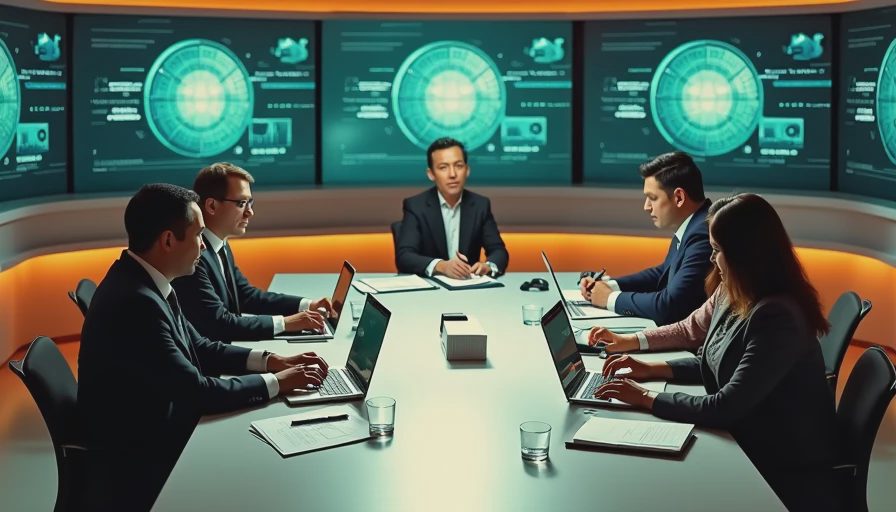
Managers will be tempted to translate every model improvement into a staffing plan. That is usually too fast. Most workplaces are bundles of tasks, approvals, habits, and relationships, not single prompts. A system might draft a report quickly while still requiring a subject-matter expert to verify numbers, protect confidential information, and explain the decision to a client.
The useful unit of analysis is therefore the task. A claims adjuster might use an assistant to summarize documents, but still make the coverage decision. A teacher might generate alternate reading questions, while deciding whether they fit a particular class. An independent designer might produce rough concepts sooner, then spend more time refining the work and discussing tradeoffs with a customer.
This is one reason ai news and commentary feb 20-27 2026 should include workplace evidence, not only product news. Ask whether employees received training, whether expectations changed, and who absorbs the cost when an automated draft is wrong. If a company saves time but transfers verification work to already busy staff, the improvement may be smaller than the press release suggests.
The human question is not whether a machine can perform a task once. It is whether an institution can build a dependable process around that ability without weakening accountability. That is a management question, a labor question, and sometimes a professional ethics question.
Funding, energy, and the local view
Capital announcements deserve a slower reading. A multibillion-dollar valuation can indicate intense competition for infrastructure or talent, but it does not tell a worker whether a tool will remain available, whether prices will fall, or whether a startup has found a durable business. Funding buys time. It does not settle the argument.
The physical side is equally important. Data centers require land, electricity, cooling, network connections, and construction workers. Communities near new facilities may see tax revenue and jobs, but they may also face pressure on utilities, water planning, or local development priorities. A national AI story can therefore become a city council story surprisingly quickly.
From Pittsburgh, I am reminded that technology arrives through buildings and institutions, not just screens. Robotics laboratories, hospitals, universities, manufacturers, and small offices each adopt tools at different speeds. The history of steel and manufacturing offers a useful warning: productivity gains can be real while the benefits and disruption are distributed unevenly.
A practical reading plan for February 20-27
Start with primary documents: the product page, filing, policy text, research paper, or recorded statement. Then read one careful independent account that identifies limitations. After that, ask what evidence would change your mind. If the story concerns a workplace tool, seek information about error handling and training. If it concerns policy, read the scope and enforcement language rather than relying on a dramatic summary.
For ai news and commentary feb 20-27 2026, readers can also keep a small daily note: what was announced, what is available now, who is paying, who is exposed to risk, and what remains unknown. That habit turns a noisy week into a record you can revisit. It also makes it easier to spot recycled claims dressed up as new developments.
The facts end here. The inference ends here. The judgment is yours. The best ai news and commentary feb 20-27 2026 will not predict civilization from a product launch. It will show what happened, explain who has leverage, and leave enough room for ordinary people to decide what deserves their trust.


No letters yet — pray write the first.